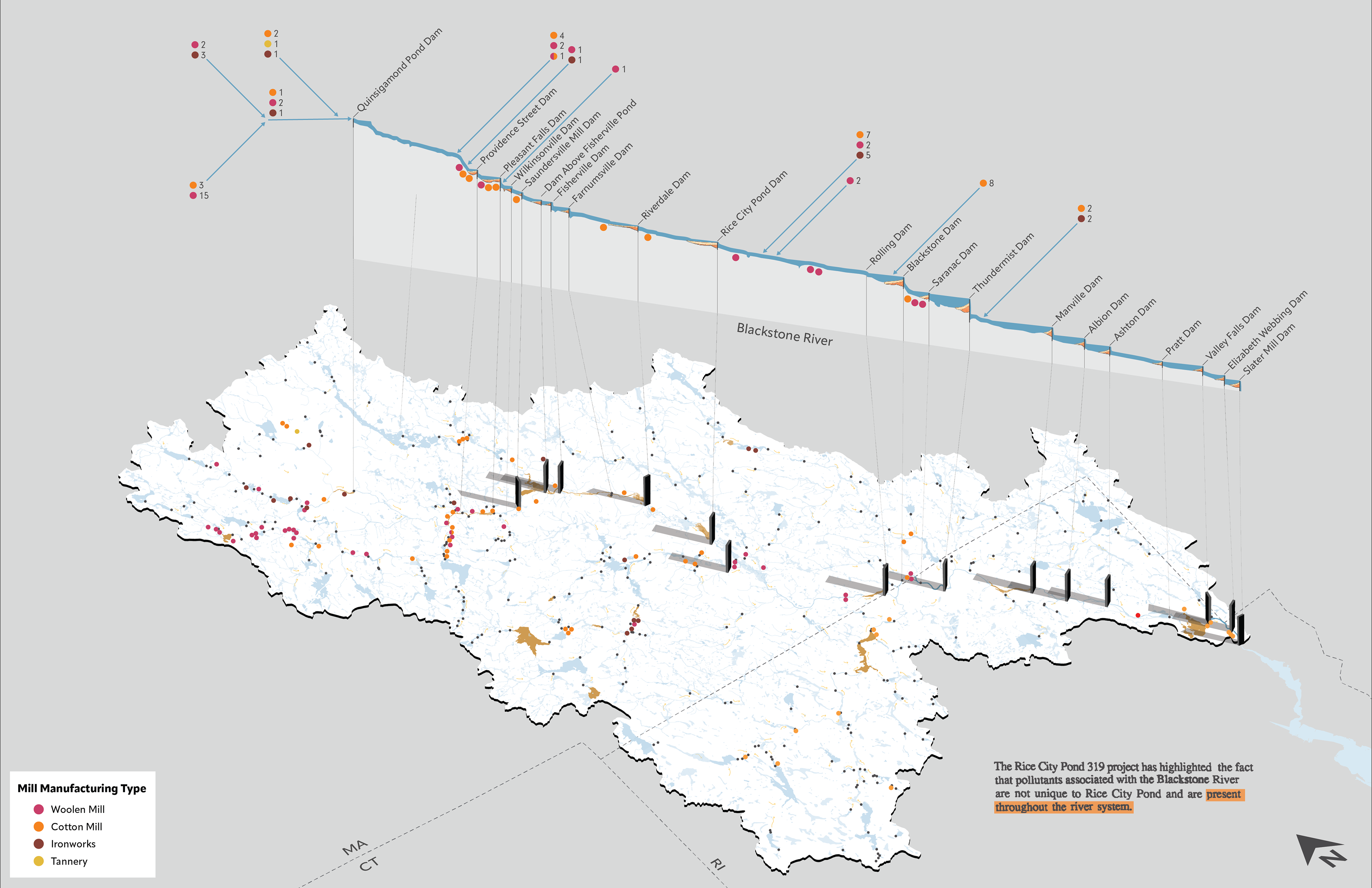
The Blackstone's sediment contamination has been documented since at least the 1980s, yet little has been attempted in terms of remediation. In 1981, MassDEP published “A Sediment Control Plan for the Blackstone River” but ultimately, the recommendations put forth were not implemented. The Blackstone River Initiative’s 1991-1993 studies identified sediment contamination as a major concern during both wet and dry conditions. As an extension of the initiative’s original scope, the EPA funded a Section 319 project detailing conditions at Rice City Pond, which had been identified as a major source of metal pollution.
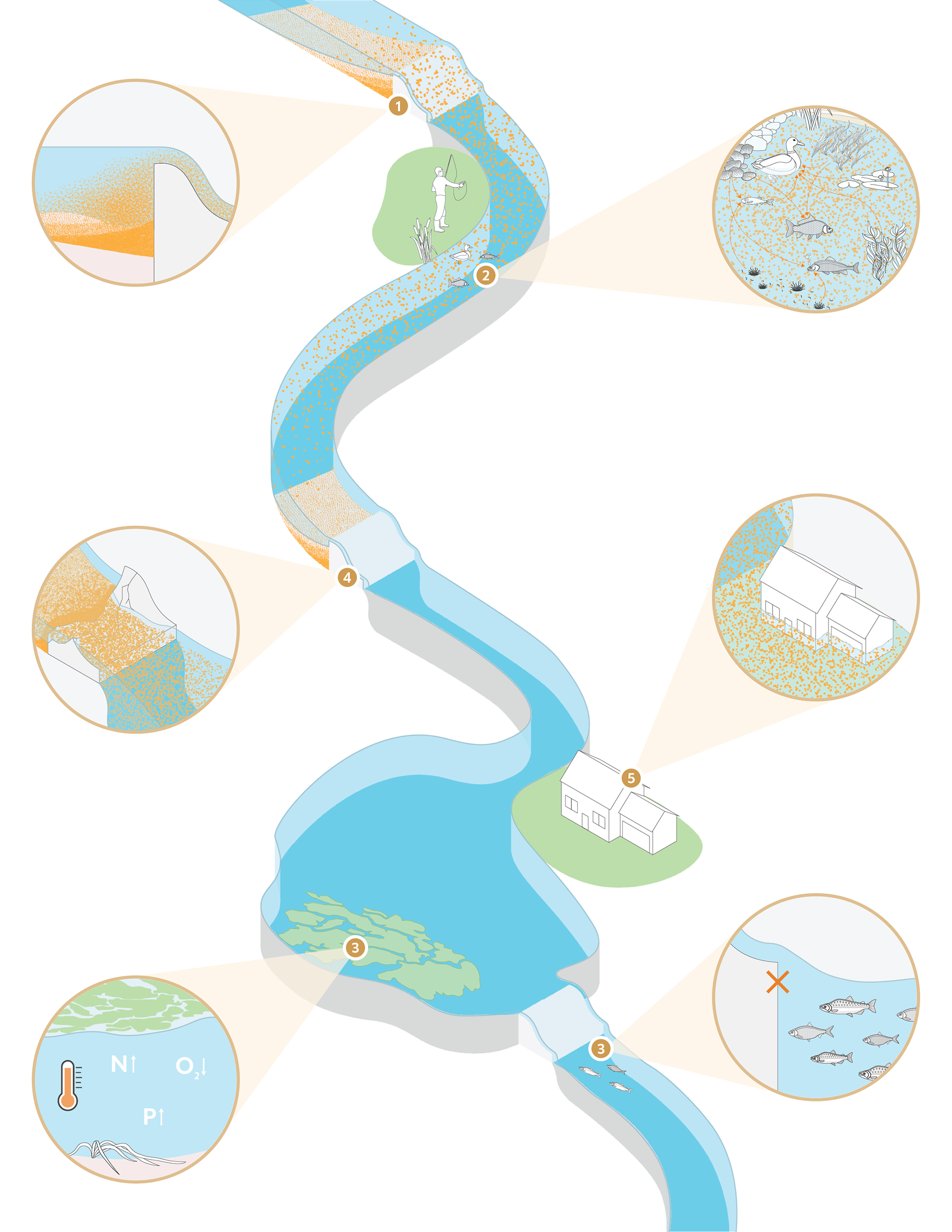
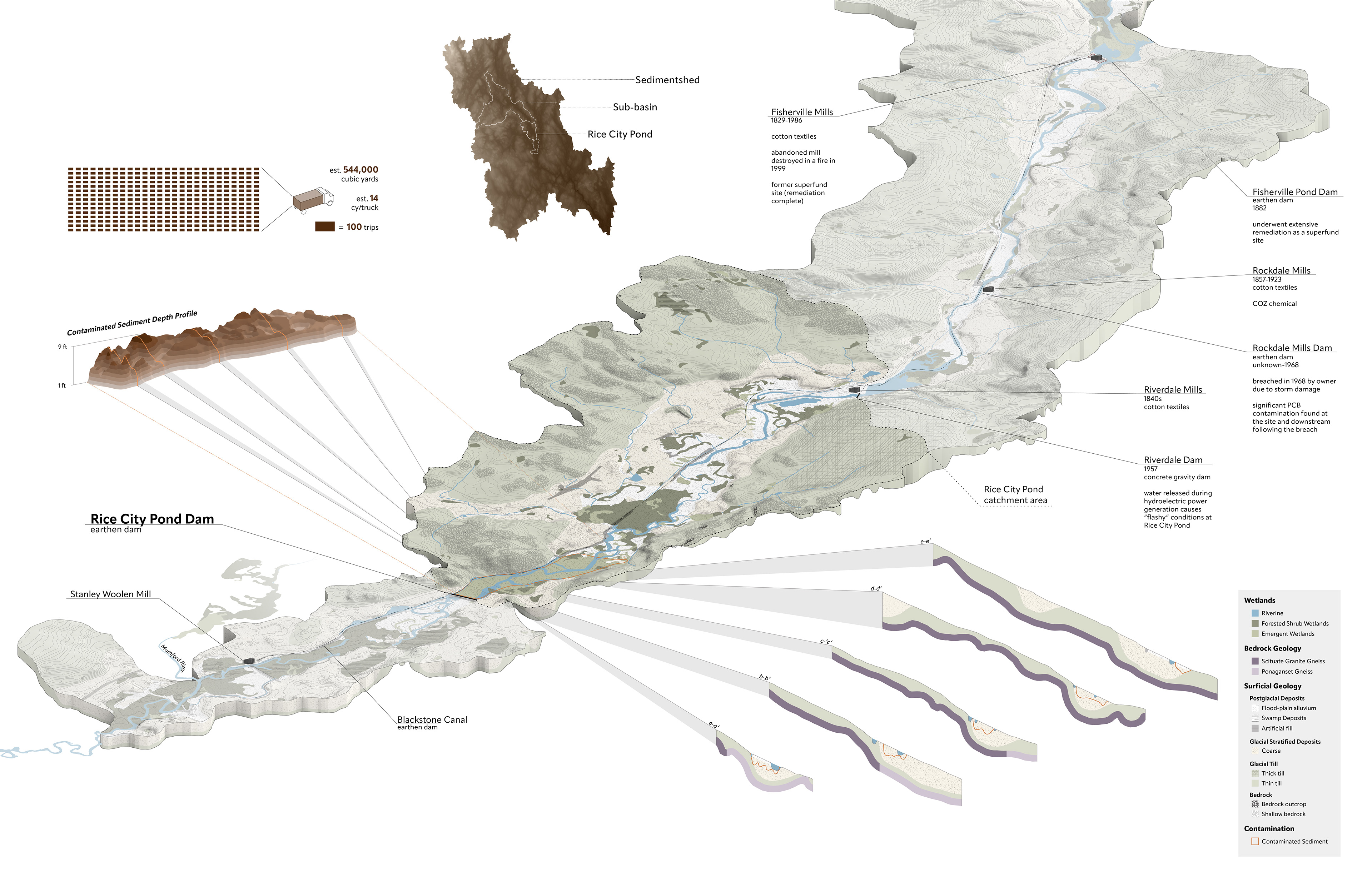
Rice City Pond was formed by a dam built in 1865 to power Stanley Woolen Mill. Its shallow topography made it an excellent settling basin for industrial contaminants and sediment alike. Because it is so heavily sedimented, it only takes a small increase in flow to resuspend contaminated sediments and carry them downstream.
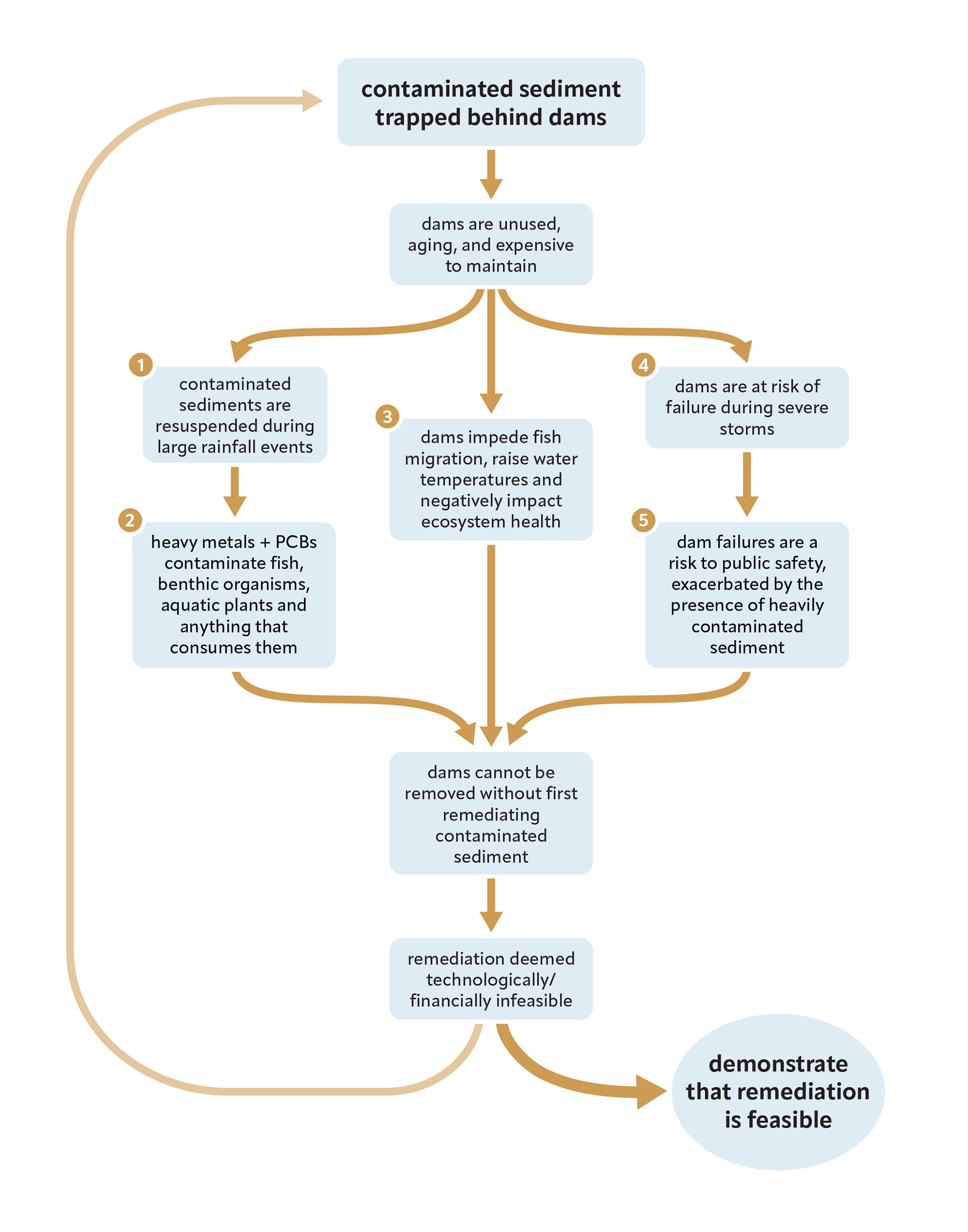
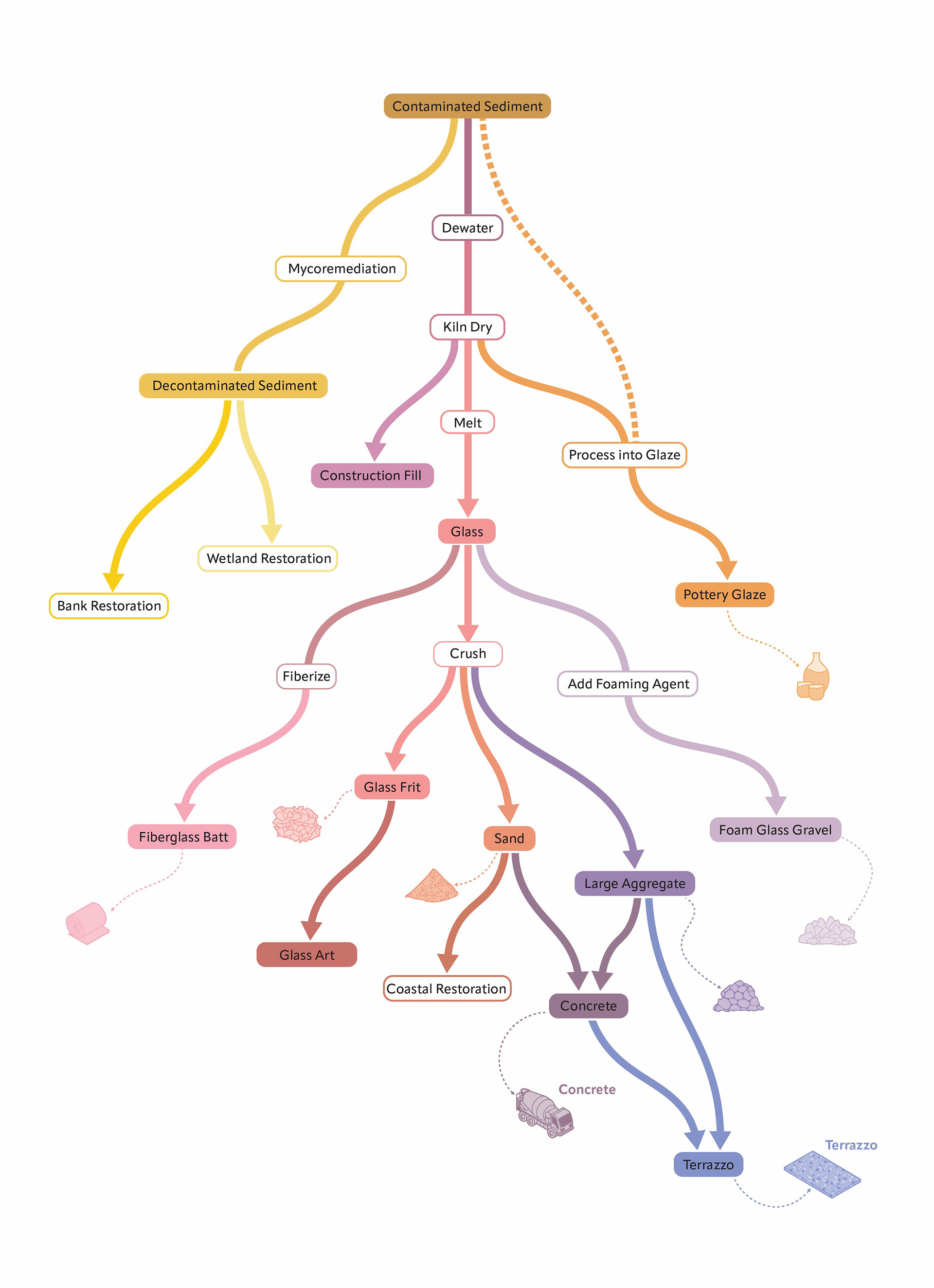
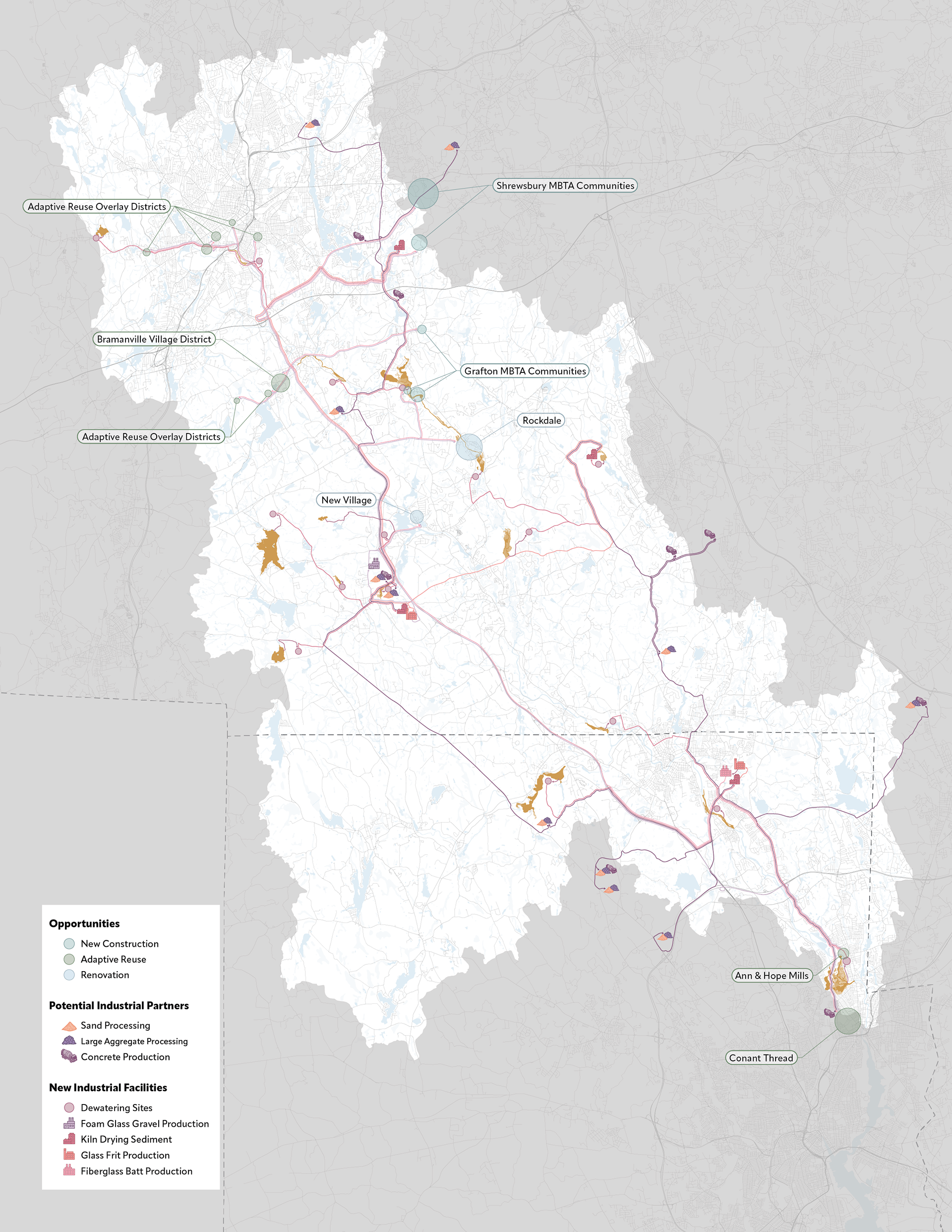
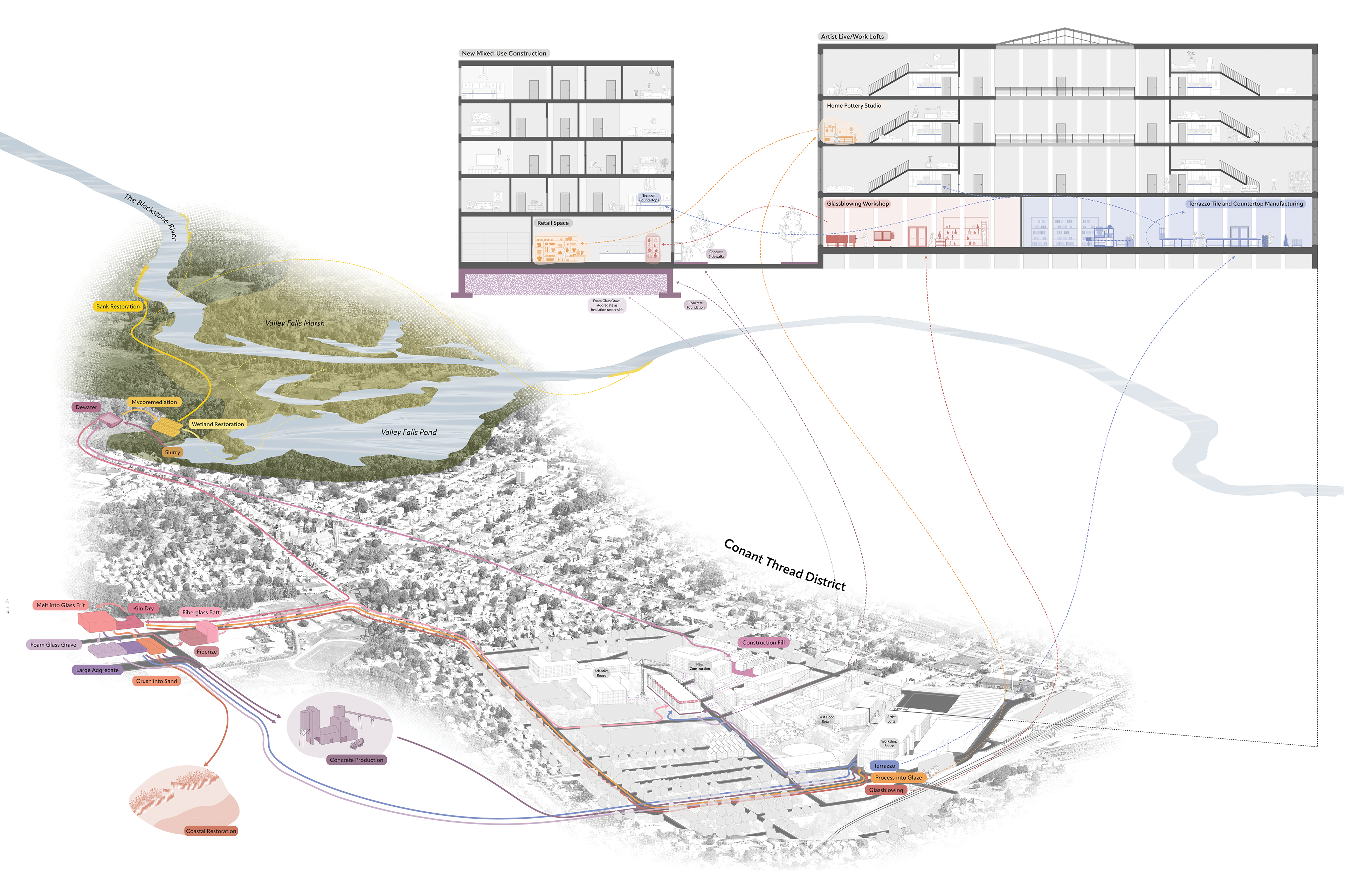
Published in 1996, The Section 319 report on Rice City concluded that there were few technically or financially feasible options that would prevent resuspension of contaminated sediment. Since then, the limits of technical and financial feasibility have changed. The report’s determination of financial infeasibility assumed that dredged sediment from Rice City Pond could only be seen as waste, when in reality sediment is a highly valuable resource. If the cost of remediation can be offset by beneficial uses, it is possible to envision a future where Rice City Pond and other impoundments across the watershed are free of industrial contamination.